Pulse & Presence
Become the musician you've always known you could be without starting from scratch.
A mentorship for committed adult singers who want to develop the voice, musicianship, artistic freedom, and embodied confidence to create authentic jazz.
A different way of learning.
A different way of listening.
A different way of making music.
You know
this feeling.
You're at a jam session, and the bandleader calls a tune you know, technically. But you've never actually played it with real musicians before, and you can feel yourself scanning the chart in your head, trying to remember where the bridge turns, hoping nobody notices you counting under your breath.
Your chest tightens. Your palms go damp. That same old fear rises up: what if I come in wrong? What if everyone hears that I am struggling through this? So you play it safe. You stick close to the melody, you let someone else take the solo, and you smile and nod, waiting for it to be over.
You get through it. But you drive home replaying every moment you held back, wondering if you'll ever actually feel like a musician instead of someone just getting by.
It doesn't have to feel this way.
Music can be a driving force for creativity, joy and connection.
Picture this instead: the pianist turns to you before rehearsal even starts, "What do you want to play?" You just tell them. No scanning the room for permission, no waiting to be told what's next. You count off the band, and you're in.
That same ease shows up mid-tune, when the harmony shifts and you feel it coming before it happens. Improvising stops being a guessing game. You're listening and responding, the way you would in any conversation that matters to you.
Cut to months later, sitting backstage before a set. Your body already knows what to do: steady, breath moving, calm enough to notice the room instead of white-knuckling your way through it.
Walk out, and people notice. Not because you're louder and trying harder.
Because you're finally fully present.
The coach
behind the Method.
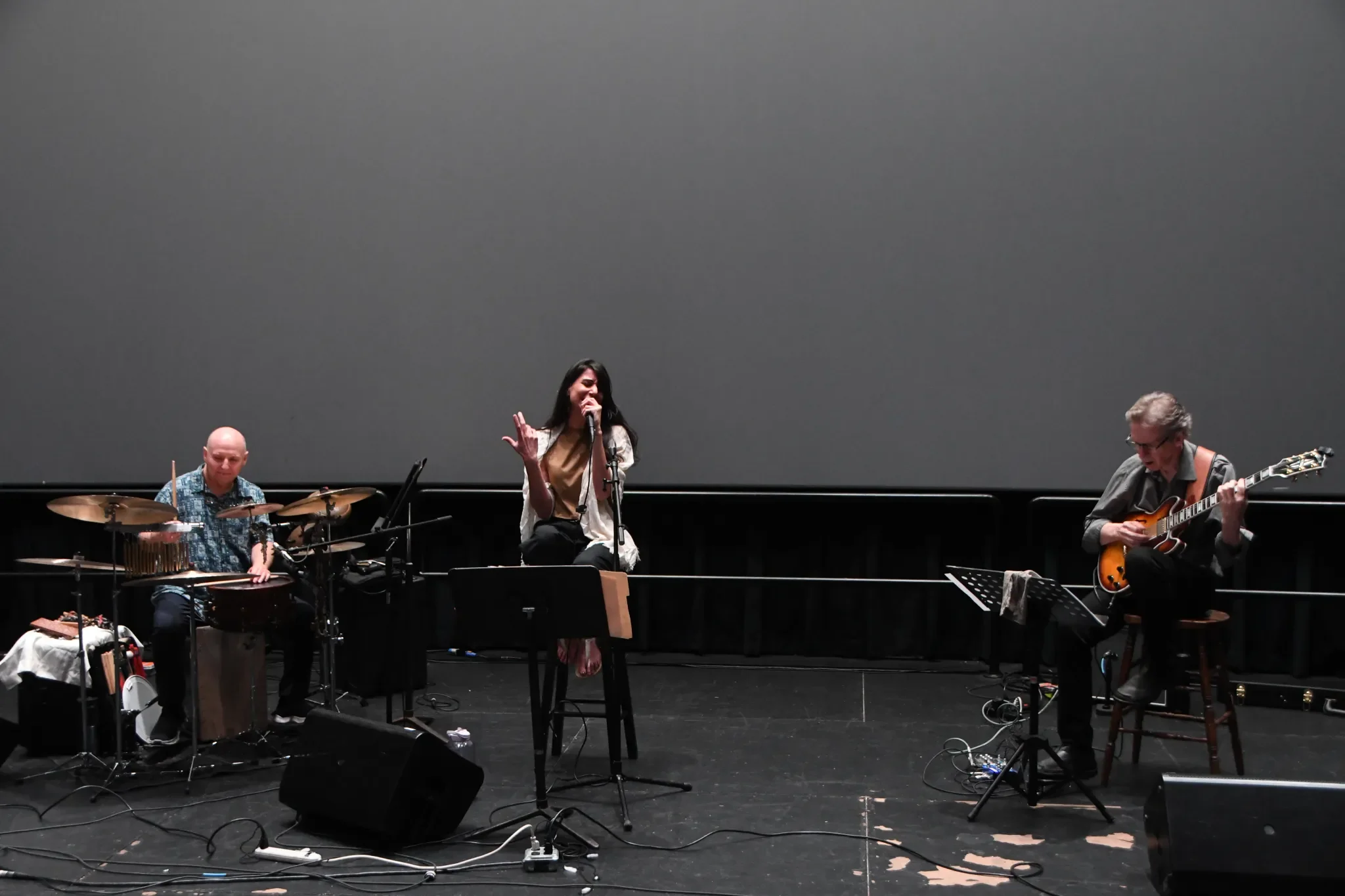
Shiri Zorn brings 30 years of professional performance experience and a Master's in Voice Pedagogy in progress with the Voice Study Centre in England to her teaching. A graduate of London's Guildhall School of Music and Drama, she made the same leap from classical training to jazz that many of her students are navigating right now.
Her debut album, Into Another Land, earned a full-page feature in DownBeat Magazine. Her follow-up, Looking for the Light, has been widely praised, and she performs regularly throughout the Northeast — recently earning a Thomas Edison "Eddies" Award nomination for the Capital Region's Best Jazz Artist of the Year.
Guildhall School of Music and Drama
"Eddies" Award Nominee
MA Voice Pedagogy, 2027
DownBeat Magazine Feature
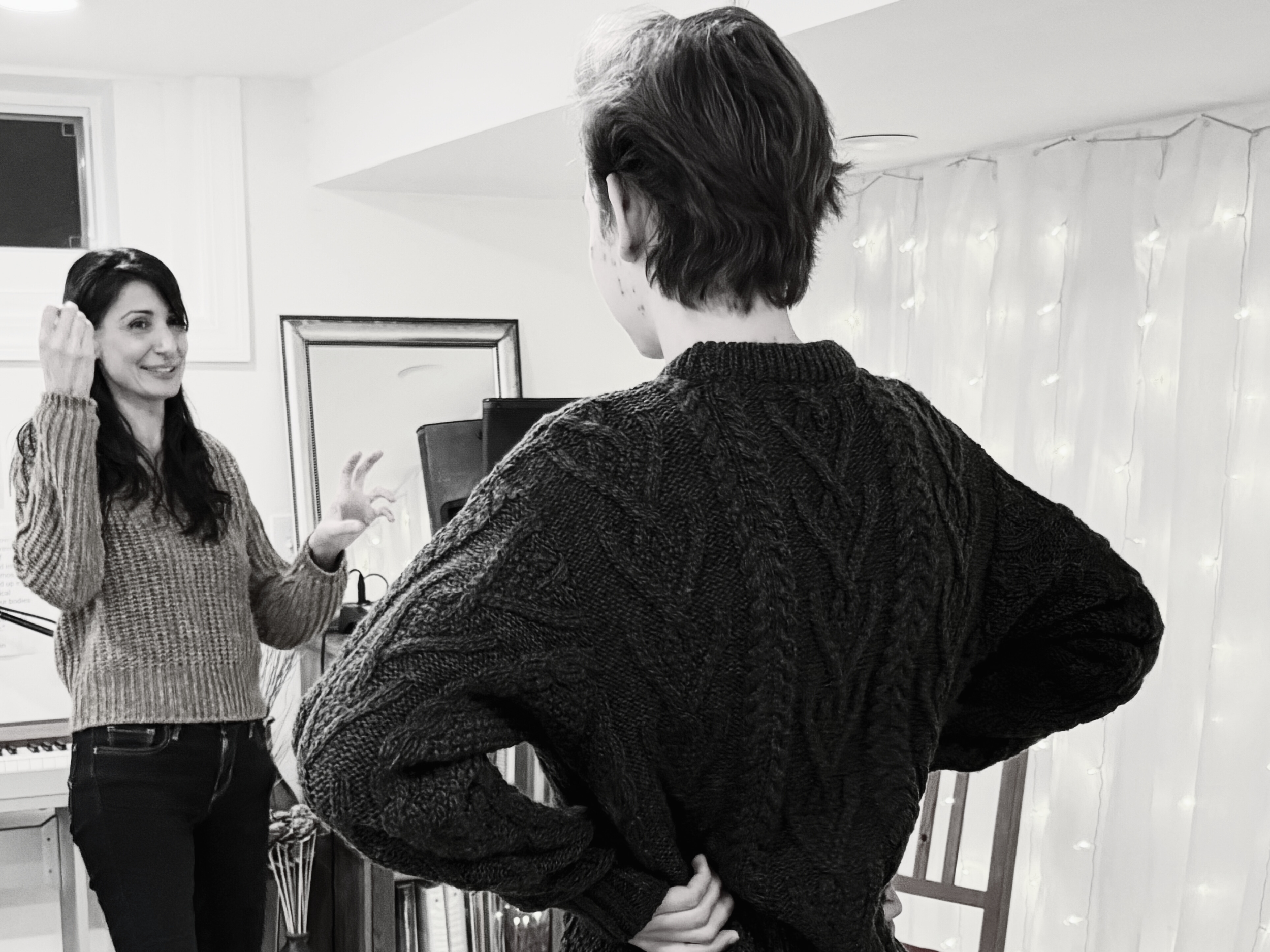
Her teaching focuses on what most vocal training leaves out: rhythm embodiment, form and improvisation, using somatic work, mindfulness, and neuroscience-informed, compassion-based frameworks. Having made this same transition herself, she creates a space where you can take risks and grow without perfectionism getting in the way.
Is this
you?
This is for you if:
✓ You've always known there was more music inside you than you've been able to express
✓ You've taken lessons, workshops, or formal training before and still feel like you're standing beside the music instead of inside it
✓ You're ready to commit to a real process, not a quick fix
✓ You understand that meaningful change takes time, and you're willing to invest in it
✓ You want your voice, ears, rhythm, and body working as one, not as separate skills
✓ You're serious about becoming a musician, whatever your starting point or background
This is not for you if:
✗ You're looking for a shortcut or a quick technical fix
✗ You want someone to hand you a formula rather than help you develop your own artistic voice
✗ You're not ready to commit time and consistent effort to the process
✗ You're only looking for occasional feedback, not an ongoing relationship with a mentor
✗ You expect results without doing the work between sessions
You want your voice, your ears, your rhythm, your body, and your musicianship working together, so that making music finally feels natural, confident, and deeply your own.
If you're looking for a quick fix, this isn't the right place.
If you're ready to develop yourself as a complete musician, with patience, curiosity, and expert guidance, you're the vocalist I want to work with.
What you'll begin
to experience.
Over the course of the mentorship, you begin to develop a different relationship with yourself as a musician; one that continues to deepen long after the program ends.
Grounded confidence
Stop second-guessing yourself and trust your preparation, your ears, and your instincts, whether you're in rehearsal or on stage.
A calmer nervous system
Feel more grounded under pressure, recover more easily from mistakes, and stay present instead of becoming overwhelmed.
Embodied rhythm and harmony
Feel the pulse in your body instead of counting, and anticipate harmonic movement instead of relying on the pianist.
A built-in sense of direction
Feel where you are in a tune the way you'd feel your way through a room you know well, even in the dark, so even when you lose your place, you already know how to find your way back.
Greater awareness of your body and voice
Notice tension and habits as they happen, and start shaping phrases, dynamics, and interpretation with real intention instead of reacting out of habit.
Confidence leading rehearsals
Call tunes, communicate your ideas clearly, and participate as an equal musical partner, listening and responding in real time instead of just trying to keep up.
A more authentic artistic voice
Stop imitating other singers and develop an interpretation that feels honest, personal, and unmistakably your own.
A lifelong approach to learning
Leave with a way of practicing and listening that continues to deepen your musicianship long after the mentorship ends.
“I was able to feel and hear a tremendous difference... even after one lesson.”
Why so many
singers stay stuck.
Most singers don't need more information. They need integration.
Traditional training separates everything into different boxes:
VOICE
THEORY
RHYTHM
IMPROVISATION
PERFORMANCE
MINDSET
You improve one area while another continues holding you back. The result is frustration because music doesn't happen in separate boxes.
It's all connected — your body affects your breath, your breath affects your sound, and long before you notice it, your confidence is shaping how you listen and improvise.
When your body and mind are working together instead of against each other,
learning stops feeling like a fight.
IF YOU'RE READY
Everything you
need to know.
If you've been reading and thinking, "this is exactly what I've been looking for", here's the short version: what this is, what it addresses, and what to expect.
What it is
A six-month mentorship for adult singers who want more than better technique. They want a way of learning that supports a lifetime of artistic growth. Together, we develop voice, rhythm, listening, improvisation, and performance as one integrated practice. These are not separate skills to master, but interconnected capacities that continue to deepen throughout your life as a musician.
The gap it closes
You've taken lessons and put in the practice. And still, the groove moves around you instead of through you, you freeze when it's time to improvise, or what comes out sounds more like imitation than your own voice. Most trainings do not address groove and rhythm right from the beginning. This is normally where the gap occurs and this what we address together.
What changes
You begin to feel rhythm in your body instead of counting it, hear harmony well enough to trust your ears, improvise from listening rather than guessing, sing with more freedom, and lead a rehearsal with quiet, real confidence.
Who it's for
Adult singers serious about becoming jazz musicians, whatever your background. What matters isn't your résumé. It's your commitment to the work.
The missing piece
is awareness.
Awareness is what allows every other musical skill to emerge.
Noticing comes first.
What follows is the freedom to choose
intentionally.
Awareness→Choice→Freedom→Artistry
Much of this thinking is informed by the Feldenkrais Method and its philosophy, which I've been researching as part of my MA in Voice Pedagogy. Not overnight, but deeply.
When you begin noticing what's actually happening — instead of pushing through on autopilot — everything starts to shift:
You start hearing harmony internally, instead of waiting for someone else to provide it
You start feeling rhythm in your body, instead of counting your way through it
You start sensing unnecessary tension in your voice before it takes hold
Not overnight, but deeply.
My story
I didn't begin as a jazz singer. I spent ten years immersed in classical vocal training before discovering jazz and suddenly, everything I had relied upon no longer felt sufficient.
I couldn't hear the harmony. Improvisation felt impossible. I felt like a singer standing beside the music rather than inside it.
At the same time, another part of my life quietly held an answer. I had been dancing for years. Rhythm already lived in my body.
As my own musicianship developed, I began to understand that what had unlocked jazz for me wasn't simply more theory , it was learning to integrate body, ear, voice, and imagination.
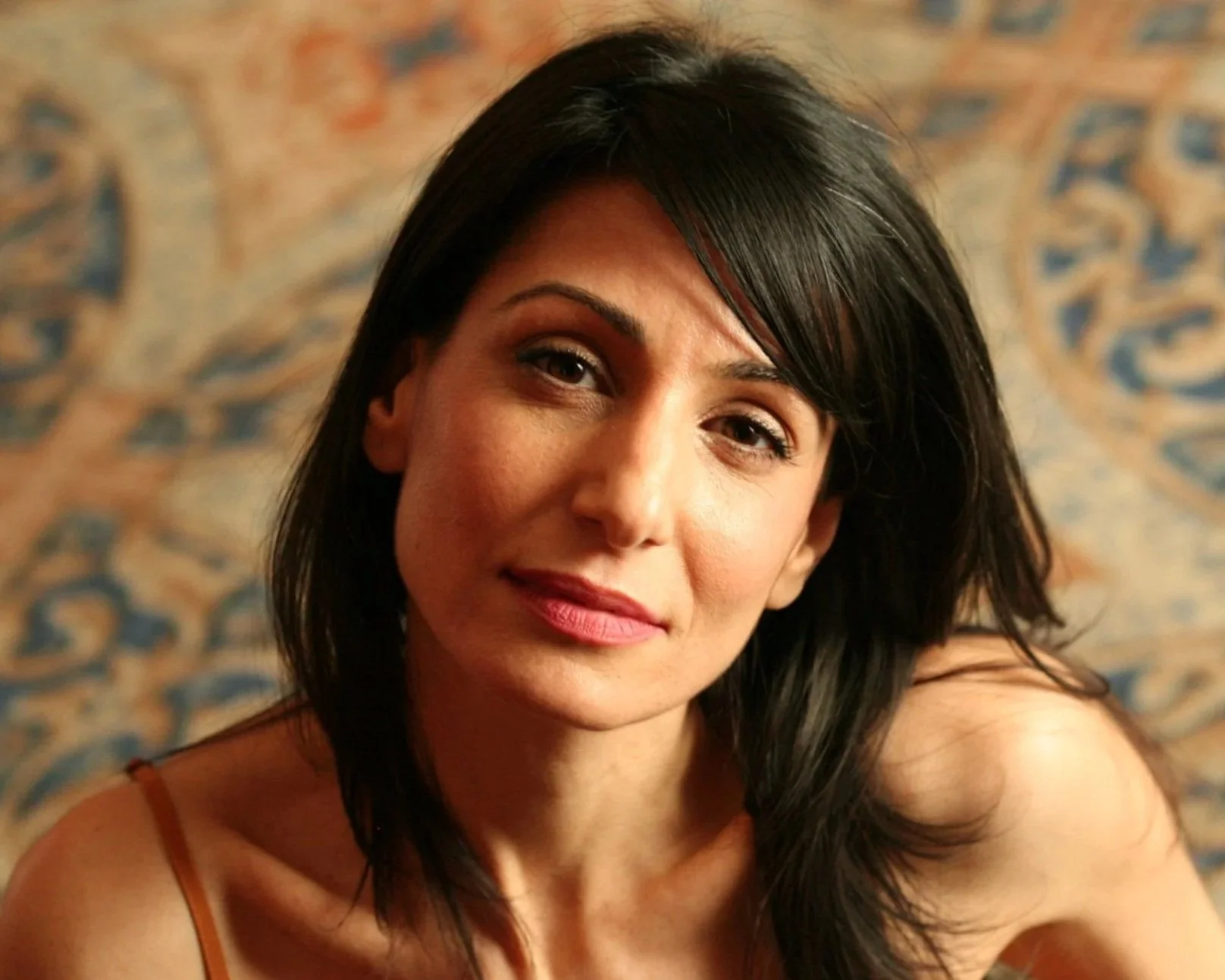
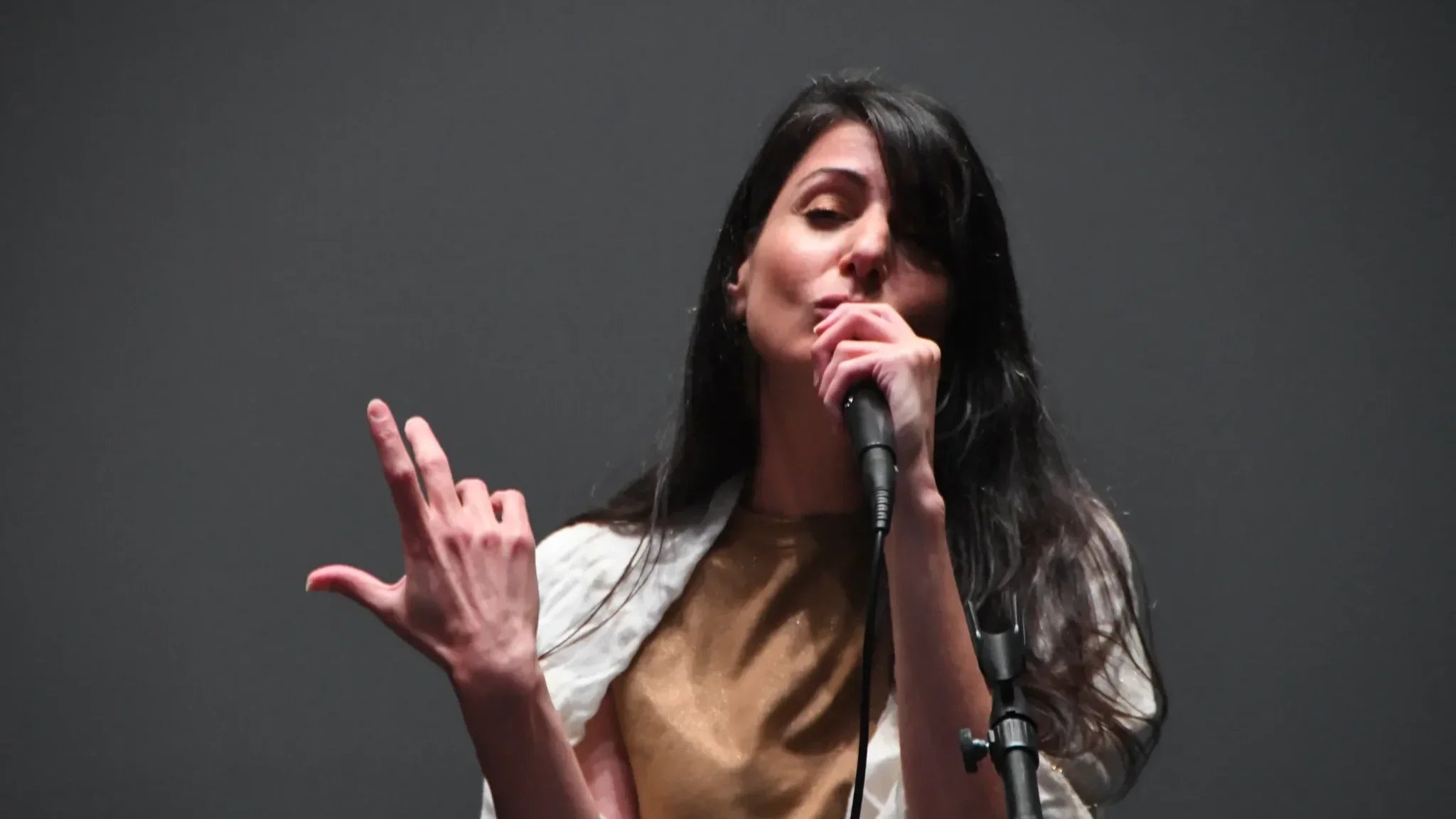
Over the last three decades as a performer, teacher, and lifelong student, I've continued refining that approach. Pulse & Presence is the result.
The Pulse & Presence Method
Not a curriculum. A philosophy developed through five interconnected dimensions.
Voice
A free, healthy, expressive instrument capable of serving your musical ideas, whether you are rebuilding technique or refining a voice already developed.
Body
Groove cannot be memorized. It must be embodied. Movement, breath, rhythm, and somatic awareness become the foundation of musical freedom.
Musician
Ear training, harmony, improvisation, repertoire, rhythm and learning to hear music from the inside rather than relying on external cues.
Artist
Finding your own voice. Developing authentic interpretation. Learning to tell the stories only you can tell; not becoming another jazz singer, but becoming yourself.
Professional
Leading rehearsals, preparing charts, collaborating with instrumentalists, building real musical relationships and stepping into the role of musician rather than guest.
How we work
together.
Applications for the Founding Cohort are now open: offered at a founding member rate in exchange for feedback and a testimonial.
6 MONTHS
Foundation
For singers who want to experience the Method through a small, committed cohort.
$1,600
pay in full — or $290/month × 6
Access to the Pulse & Presence foundations course - a guided introduction to the Method, where you begin embodying rhythm, opening your ear to harmony, and finding your voice inside a small, committed group of singers.
Two live group sessions a month, including feedback on your recordings
Group improvisation and discussion
Access to our private community of singers
Group format — no individual mentorship
6 MONTHS
Transformation
Everything in Foundation, plus monthly private mentorship built around you.
$3,500
pay in full — or $625/month × 6
Everything in Foundation PLUS:
Monthly private mentorship (60 min, one-on-one)
Individual vocal work
Personalized artistic development
Tailored practice plans
Artistic identity, repertoire, and original music
12 MONTHS
Artist Development Mentorship
A year-long partnership for artists ready to make this work central to their lives.
$10,000
custom payment plans — 1–2 places offered per year
Everything in Transformation, PLUS:
Weekly private mentorship
An additional six months of one-on-one coaching
Performance and career development coaching
Unlimited support via text message between sessions
The application takes about 10 minutes to fill out . We'll review it along with your recording, and if it's a good fit, invite you to a 20-minute discovery call.
Founding member pricing applies to the Foundation and Transformation tiers for the first cohort, in exchange for feedback and a testimonial. The Artist Development Mentorship is offered at its standard rate.
What students
say.
"Shiri's methodology and pedagogical approach is refreshing and immensely effective. Through her approach to breathwork, resonance focus, and full body connection, I was able to feel and hear a tremendous difference in how I was producing sound even after one lesson."
— Matthew, professional singer with over twenty years of experience"As a student and vocalist striving to study jazz, Shiri helped further my knowledge and improve my vocal technique. She took a very personal approach to teaching. I was able to take so much away from my lessons with her."
— Grace Radonis, undergraduate college student, music major"Shiri helped me connect with my voice on a physical level that had previously escaped me. She creates a calm, respectful, and engaging environment, and always gives thorough and sound reasoning for what she has students do."
— Rimmele Wood, undergraduate music major"Zorn's voice is cool, calm and cerebral, her tone pure. She articulates lyrics with perfect diction and scalpel-like precision."
— Allen Morrison, DownBeat MagazineQuestions,
answered.
-
No. Most students come from classical, musical theater, pop, or general voice training and are making the transition into jazz for the first time. What matters is your commitment to the work, not your background.
-
Every singer you admire had the same 24 hours in a day that you do. Most students fit this into a few hours a week between lessons, practice, and group sessions — you don't need to clear your calendar, you need to protect a small, consistent space for it. The singers who make real progress aren't the ones with the most free time, they're the ones who show up for those few hours, week after week.
-
You'll be asked to submit a short recording of yourself singing — this isn't an audition, just a way for me to hear where you're starting from. From there, if it looks like a good fit, we'll book a 20-minute discovery call to talk through your goals, answer any questions, and figure out which tier makes sense for you.
-
Two live group sessions a month where we work through rhythm, improvisation, and repertoire together, plus feedback on recordings you submit between sessions.
-
That's common, and it's rarely about effort. Most training treats voice, rhythm, and improvisation as separate skills to master one at a time. This mentorship integrates them as one practice, which is usually the missing piece.
-
Yes. If you start in Foundation and want more individual mentorship, you can move into Transformation or the Artist Development Mentorship at any point. we'll credit your initial investment toward the upgrade.
-
All fees are final and non-refundable upon enrollment. By enrolling, you're securing dedicated coaching time and mentorship access set aside specifically for you — this holds true regardless of your ability to attend individual sessions.
If something genuinely prevents your participation (a medical emergency, for example), you can request a pause in writing to info@shirizorn.
Approved pauses preserve your remaining access for later use, but don't extend your program or entitle you to a refund. Approval is at my discretion and considered case by case.
One day you'll walk into
rehearsal and realize
something is different.
Not because your voice suddenly sounds perfect. Not because you've memorized every scale. But because you're listening differently. Your body is calmer. Your attention is wider. You hear possibilities instead of problems. You trust yourself.
The music begins. And instead of reacting, you participate.